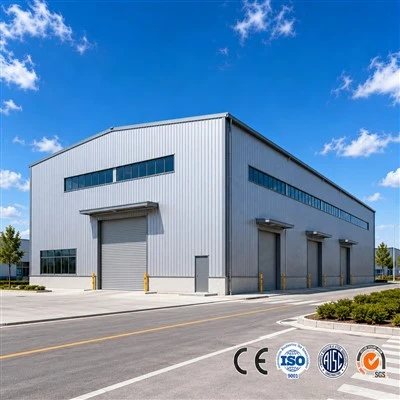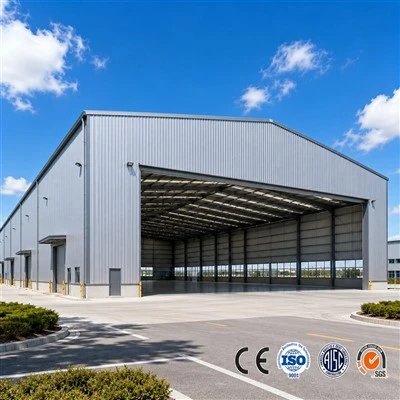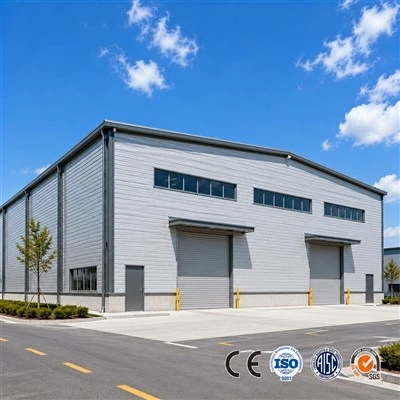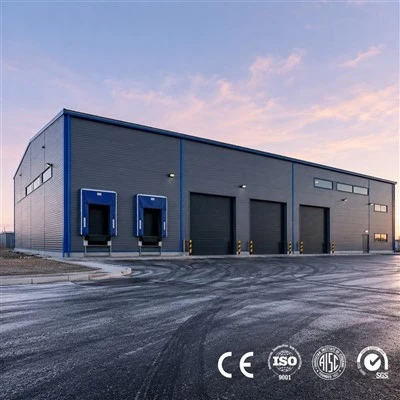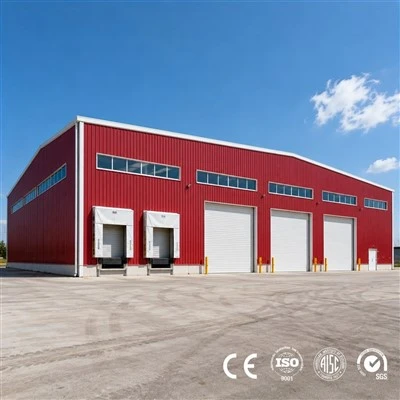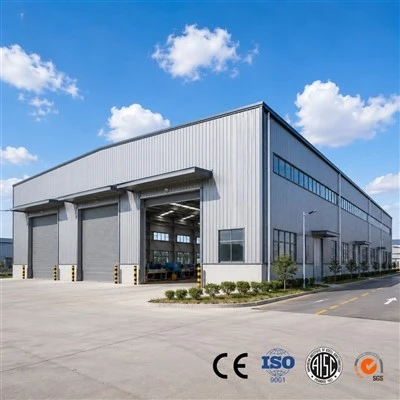

Choosing the right steel livestock building is not just about putting up a shelter. Different animals need different amounts of space, airflow, protection, and care. A building that works well for one farm may not work well for another. Livestock buildings are farm structures that give animals shelter, protect them from weather, and provide a suitable place for raising and managing livestock.

Many farmers start looking for a new metal livestock building only after their current space creates problems. A small shelter may work well when a farm is starting, but limited space, poor airflow, or difficulty caring for animals can become bigger challenges as the farm grows. Understanding the different types of livestock buildings can help farmers choose a structure that fits their animals, current needs, and future plans.
What Are Steel Livestock Buildings?
Animals need more than a simple roof and walls. They need a safe space that protects them from weather, supports daily care, and makes farm work easier.
Steel Livestock buildings are farm structures used to house and protect animals such as cattle, poultry, horses, sheep, and goats. They are designed around different animal needs, including space, ventilation, feeding areas, movement, and weather protection.
Each type of metal livestock has different needs, so farms use different building designs instead of one standard option. The right choice depends on the animals, farm size, local weather, and how the building may be used in the future.
Common Types of Steel Livestock Buildings
Cattle Buildings
Raising cattle requires more than an open shelter. Cattle need enough space for movement, feeding, resting, and protection from changing weather.
Cattle buildings usually need large open areas, strong frames, and good airflow. For dairy or beef farms, the layout should support daily tasks such as feeding, cleaning, and herd management.
Many cattle farms choose steel livestock buildings because steel frames can support wide spaces and flexible layouts. This allows farmers to create areas that are easier to manage as herd sizes grow.
Poultry Buildings
Poultry farms face different challenges because birds are sensitive to changes in temperature, air quality, and humidity.
Poultry buildings help maintain stable indoor conditions through proper ventilation, temperature control, and efficient use of space. A suitable building environment can support healthier animals and smoother daily work.
Prefabricated steel livestock buildings can be designed for different poultry farm needs. Steel frames allow farmers to adjust building sizes and layouts based on the number of birds and the way the space will be managed.
Horse Barns
Horse owners usually focus on safety, comfort, and easy access when planning a horse barn.
A well‑designed horse barn may include areas for animal housing, feeding, equipment storage, and routine care. A good layout helps create a safer space for both horses and the people who work with them.
Some farms choose steel horse barns because they can combine strong structures with flexible designs. Farmers can adjust the layout based on the number of horses, storage needs, and available space.
Sheep and Goat Shelters
Smaller livestock operations often need buildings that are simple, practical, and easy to adjust.
Sheep and goat shelters usually focus on protection from rain, wind, and extreme temperatures while allowing enough room for movement. Simple designs can make daily feeding and care easier.
Metal livestock buildings can be a suitable option for these uses. With proper planning, they can provide protection while allowing farmers to adjust the structure as their needs change.
How to Choose the Right Livestock Building for Your Farm
A suitable livestock building starts with understanding your farm needs, not simply choosing the biggest or most expensive option.
One common mistake is choosing a building based only on size. A larger structure may look like the safest choice, but extra space can increase costs if the layout does not match the way animals are raised and managed.
Consider Your Livestock Type
The animals you raise should be the first thing to consider. Cattle, poultry, horses, and smaller livestock all need different levels of space, airflow, and protection.
A cattle building may not provide the right environment for poultry, while a horse barn needs different safety features and access points. Starting with the animals first helps prevent design problems later.
Consider Climate and Weather Conditions
A building that works well in one location may not perform the same way in another.
Farmers should consider local conditions such as heavy rain, strong winds, snow, or high temperatures when planning a livestock structure. The right materials and design choices can help protect animals throughout the year.
Plan for Future Expansion
Many farms change over time. The number of animals may increase, new equipment may be added, or the building may need to serve a different purpose.
A flexible structure can help farmers avoid major changes later. This is one reason some farms choose custom steel livestock buildings when planning for future growth.
Why Are Steel Livestock Buildings Becoming Popular?
When choosing a livestock building, farmers often compare materials based on strength, maintenance needs, design flexibility, and cost.
Many farmers choose steel livestock buildings because steel frames provide strong support and allow different layouts for different farm uses. A cattle farm may need a large open structure, while a poultry farm may need a different design with better control over the indoor environment.
Prefabricated steel structures can also make planning easier because the main components are made before they arrive at the farm. This can help keep the building process more organized and reduce uncertainty during preparation.
Steel buildings are not the only choice for every farm. Wooden or concrete structures may work well in some situations, especially when farmers already have suitable facilities or local materials available. However, steel livestock buildings can be a practical option when durability, flexible design, and future expansion are important.
Key Features of a Well‑Designed Livestock Building
No matter which type of livestock building you choose, several features affect daily farm work:
- Proper ventilation: Good airflow helps control moisture and creates a healthier space for animals.
- Enough space: Animals need room for movement, feeding, and resting.
- Weather protection: The building should help protect livestock from local weather conditions.
- Easy maintenance: A practical layout can make daily tasks easier.
- Future flexibility: An expandable design can support changes as the farm grows.
A good building should make everyday work easier. Farmers should be able to move animals, reach feeding areas, clean the space, and complete routine tasks without dealing with a poor layout.
FAQ About Livestock Buildings
What are the main types of livestock buildings?
Common types of livestock buildings include cattle buildings, poultry houses, horse barns, sheep and goat shelters, and other farm structures. The best choice depends on the animals being raised and the needs of the farm.
What should farmers consider when choosing a livestock building?
Farmers should consider animal type, building size, weather conditions, ventilation, daily work needs, and future expansion plans before choosing a structure.
Are steel buildings suitable for livestock?
Yes. Steel buildings can be suitable for livestock because they offer strong structures, flexible designs, and options for different farm uses.
What are the benefits of prefabricated steel livestock buildings?
Prefabricated steel livestock buildings can make planning easier because the main parts are made before they arrive at the farm. They also allow farmers to adjust the layout based on animal type, farm size, and future needs.
Are custom steel livestock buildings a good choice for farms?
Custom metal livestock buildings can be a good option when standard designs do not match specific farm needs. Farmers can adjust the size, layout, and features based on how they manage their animals.
Choosing the right livestock building is an important decision for any farm. By understanding different building types, comparing materials, and planning for future needs, farmers can choose a structure that supports easier daily work and long‑term farm growth.
Need help choosing the right livestock building for your farm? Contact our team to discuss your project requirements.