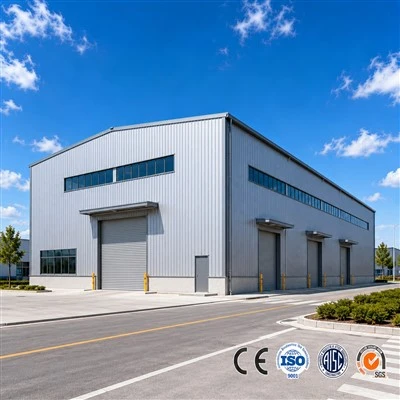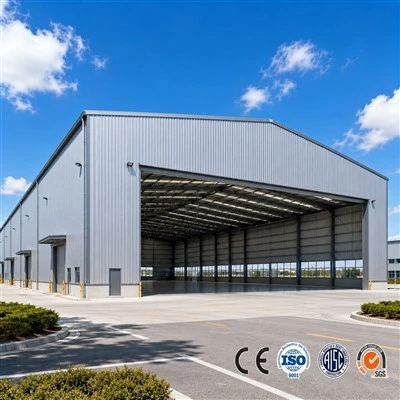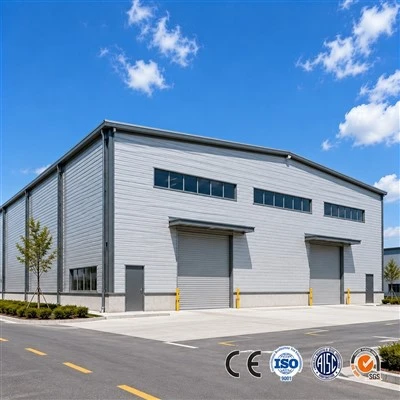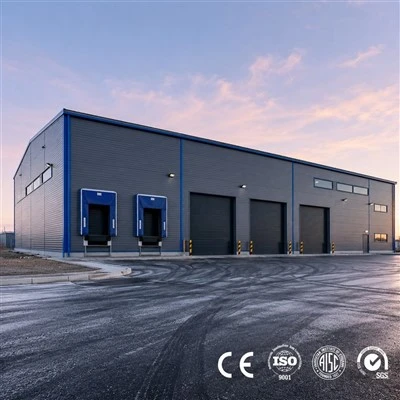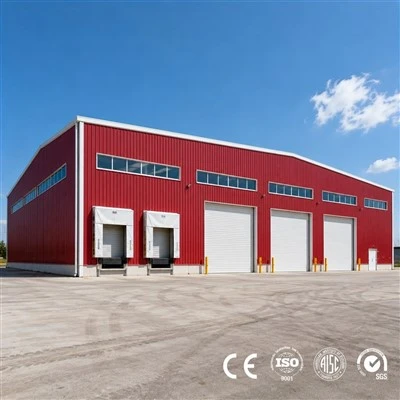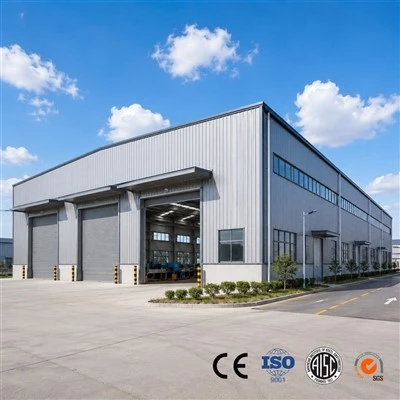


A steel building is a long-term investment, so one of the first questions buyers ask is: How long will it last? Whether you are planning a steel warehouse, workshop, hangar, or industrial facility, durability matters. A building needs to remain safe, stable, and functional for many years.
A well-designed and properly maintained steel building can typically last 50 to 100 years or more. The actual service life depends on several factors, including steel quality, construction standards, environmental conditions, and regular maintenance. This article explains the expected steel building lifespan, what affects durability, and how proper care can extend the service life of your structure.
How Long Does a Steel Building Last?
The average steel building lifespan is 50 years or more. With quality materials, proper design, professional installation, and regular maintenance, many steel structures can last 80 to 100 years or longer.
Steel buildings are built for long-term use and can provide reliable performance for decades. However, the actual service life is not the same for every building. Factors such as building design, location, usage conditions, and maintenance practices can affect how long a steel structure remains in service.
Why Are Steel Buildings So Durable
Steel buildings are durable because steel has high strength and stable structural performance. Compared with other common building materials, steel has fewer issues with rot, pests, and long-term structural changes.
- Wood Structures: Typically last 20–40 years, but are more affected by moisture, rot, termites, and other pests.
- Concrete Structures: Can last 50+ years. Cracking, foundation settling, and construction quality can affect long-term performance.
- Steel Structures: 50–100 years. High strength with resistance to rot, termites, and common damage. Easy maintenance helps extend service life.
Expected Lifespan of Different Types of Steel Buildings
Different steel buildings have different service expectations depending on their design and operating conditions.
| Building Type | Service Life |
|---|---|
| Steel Warehouse | 50–100 years |
| Steel Workshop | 50–100 years |
| Industrial Steel Building | 50–100 years |
| Aircraft Hangar | 50–100 years |
| Agricultural Steel Building | 40–80 years |
These numbers are general estimates. Actual performance depends on material quality, structural design, corrosion protection, environmental conditions, construction standards, and maintenance practices.
What Factors Affect the Lifespan of Steel Buildings?
The lifespan of steel buildings depends on more than just the steel material. Several factors determine how long a structure can perform effectively.
Quality of materials
High-quality steel provides better strength and durability than lower-quality materials. It can support heavier loads and maintain its performance over time. Lower-quality steel is more likely to deform or fail when exposed to heavy loads or demanding conditions.
Construction Quality
Proper assembly, tight joints, and complete coating coverage protect steel buildings from early damage. These practices ensure the structure stays strong over time.
On the other hand, small mistakes during setup create weak points. Defective welds, misaligned frame parts, or scratched paint allow moisture to seep inside. These flaws concentrate stress and lead to rust, which shortens the life of the building.
Protective Coatings and Corrosion Protection
Protective coatings play an important role in extending the lifespan of steel buildings. Steel itself is a durable material, but long-term exposure to moisture, salt air, and chemicals can increase corrosion risks.
Galvanized coatings, paint systems, and proper surface protection help prevent rust and maintain the long-term durability of steel structures.
Environmental Conditions
- Coastal or Marine Areas: Salt air and high humidity can accelerate corrosion and shorten the lifespan of steel structures.
- High Humidity and Rainy Areas: Frequent moisture exposure can increase rust risk and affect the long-term durability of steel components.
- Cold and Snowy Regions: Heavy snow loads and freezing temperatures can place additional stress on steel structures.
- Industrial Environments: Heavy equipment, vibration, chemical exposure, and dust can accelerate steel deterioration and reduce service life.
Usage Conditions
The way a steel building is used also affects its lifespan. Excessive loads, frequent vibrations, or improper modifications can increase stress on structural members. Buildings used for heavy equipment, manufacturing, or storage require designs and maintenance plans that match their actual operating conditions.
Maintenance Practices
Steel buildings require less maintenance than many traditional building types, which helps reduce long-term upkeep costs. However, low maintenance does not mean no maintenance. Regular inspections help find early issues such as rust, damaged coatings, loose connections, and moisture problems before they become major repairs. Without proper maintenance, these issues can spread and reduce the service life of steel structures.
How to Extend the Lifespan of a Steel Building?
Proper maintenance is one of the most effective ways to maximize steel lifespan and protect the long-term value of your building. Regular care helps prevent damage and protects your investment.
Perform Regular Inspections
Routine inspections help identify problems before they become serious.
Check:
- Roof panels
- Wall panels
- Steel connections
- Fasteners
- Sealants
- Foundation areas
Early detection can prevent costly repairs.
Repair Rust and Coating Damage
If protective coatings are damaged, moisture can reach the steel surface and increase corrosion risk.
Recommended actions include:
- Cleaning affected areas
- Removing surface rust
- Applying protective coatings
- Repairing damaged paint systems
Quick repairs help maintain the steel structure lifespan.
Maintain Drainage Systems
Water accumulation is one of the main causes of building damage.
Regularly clean:
- Gutters
- Downspouts
- Drainage channels
Good drainage reduces moisture exposure and helps protect the structure.
Control Moisture and Ventilation
Proper ventilation helps reduce condensation inside the building.
This is especially important for:
- Agricultural buildings
- Storage facilities
- Cold environments
Keeping the interior dry supports long-term durability.
Prepare for Local Weather Conditions
Buildings in areas with heavy snow or storms require additional attention.
Examples:
- Remove excessive snow loads
- Inspect after severe weather
- Check damaged panels or connections
Weather preparation helps maintain safe operation.
Steel Buildings as a Long-Term Investment
A steel building is more than a short-term construction solution. It is a long-term asset that can provide value for decades.
The main benefits include:
- Long service life
- Lower maintenance requirements
- Reliable structural performance
- Strong return on investment
Although initial construction costs may vary, a durable steel structure can reduce future repair and replacement expenses.
For businesses that need warehouses, workshops, factories, or other large facilities, choosing a reliable steel building system can provide long-term value.
Looking for a Steel Building Built to Last?
When you invest in a steel building, its service life is more than just a number on a design sheet-it's what protects your budget and keeps your operations running without constant repair work. A well-designed, well-protected steel structure can stay in service for decades, reducing the need for major replacements and helping you plan costs with far greater certainty over the building's lifetime.
Looking for a metal building that's built to last?
Talk to us. At CNSS, we focus on practical, durable steel structure solutions tailored to real-world operating conditions, so you get a building that stays efficient and reliable for years to come.