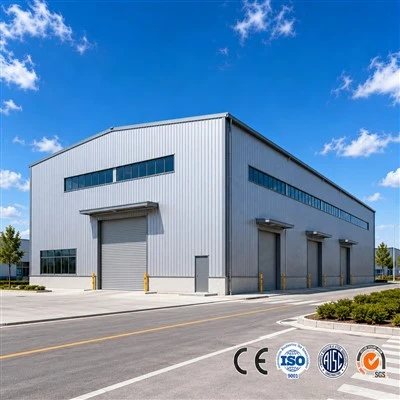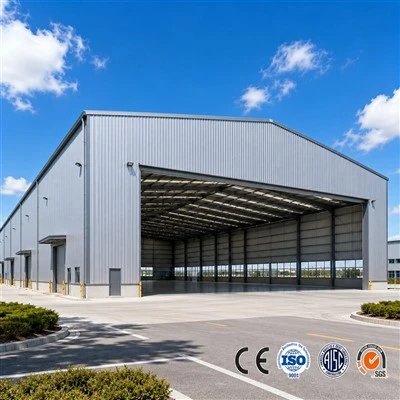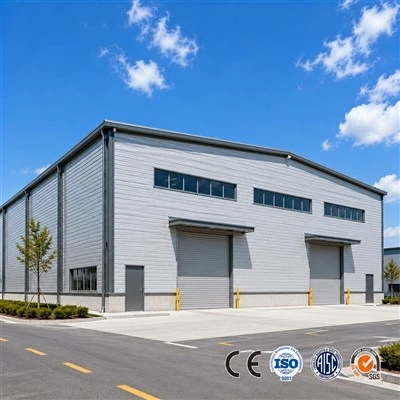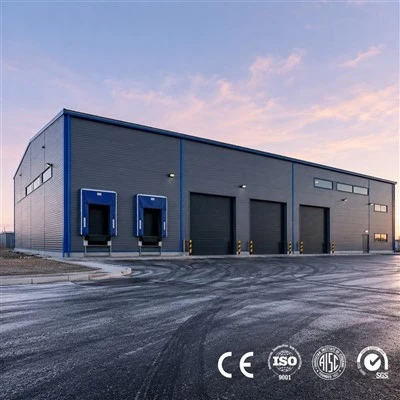

Choosing a structural material affects how a building carries loads, how fast it can be built, and how much it may cost. Steel and concrete are two common choices for commercial, industrial, agricultural, and other building projects.
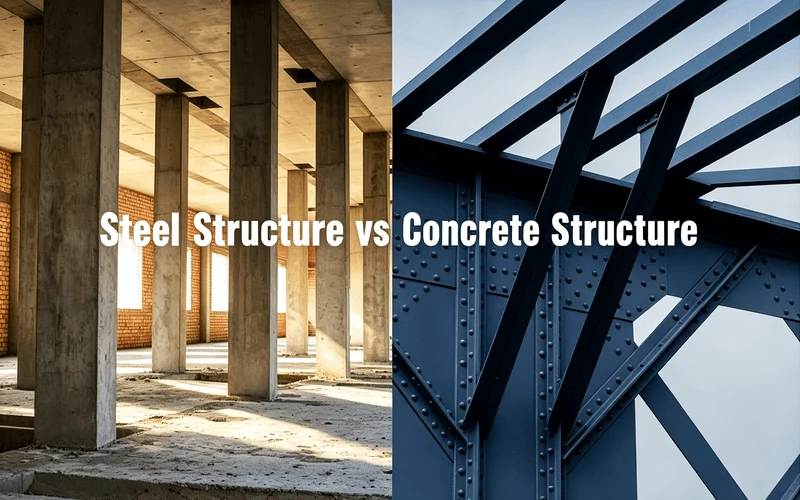
The key difference in a steel structure vs. concrete structure is not just the material. It is also the way each material forms a structural system. Steel uses beams, columns, frames, and bracing to carry loads. Structural concrete often uses reinforced concrete, where concrete and steel rebar work together. These systems differ in weight, strength, span, construction method, durability, and cost.
No material is best for every project. To make a sound choice, it helps to first understand how steel and structural concrete work.
What's the Difference Between Steel Structure and Reinforced Concrete Structure
To make a meaningful comparison between steel structures and reinforced concrete, we should not only focus on strength. It requires comprehensive consideration of multiple key engineering indicators.
A steel structure uses structural steel as the main load-bearing material. Steel columns, beams, frames, and bracing transfer building loads to the foundation.
Steel has high strength and a high strength-to-weight ratio. This means it can carry large loads with less material weight than many other structural systems. Steel also performs well in both tension and compression, although slender steel members may need checks for buckling.
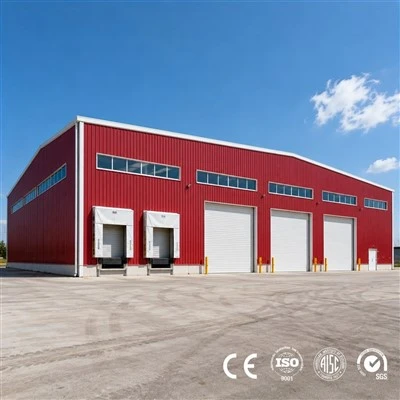
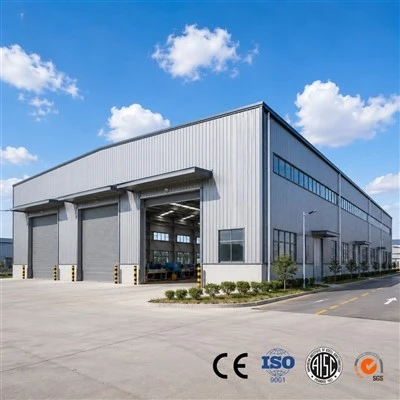
One major benefit is its ability to create long spans. A steel frame can cover a large open area with fewer interior columns. This makes steel a common choice for warehouses, workshops, aircraft hangars, and industrial buildings.
Steel components can also be fabricated before they reach the job site. Workers can then assemble the main frame on site. This can shorten the structural erection phase and reduce some site work.
Steel Structure vs Concrete Structure: Main Difference
Structural Performance
Steel structure:
- Steel delivers excellent tensile strength and high strength-to-weight ratio, resisting bending, wind load and seismic force effectively.
- Thin steel components are vulnerable to buckling under heavy compressive loads without sufficient bracing. For buildings that need to support heavy vertical static loads over long periods, steel structures may require additional bracing systems to improve stability.
- Steel is a ductile material; it deforms gradually before failure, providing visible warning signs.
Reinforced concrete:
- Concrete boasts outstanding compressive strength, performing steadily under permanent vertical loads. Suitable for engineering projects subject to continuous pressure, such as heavy equipment foundations, high-rise buildings, and large reservoirs.
- Plain concrete has almost no tensile capacity, and cracks easily under tension. Steel rebar is required to bear tensile forces.
- Concrete structures feature high overall rigidity, with minimal deformation under long-term static load.
Construction Speed & Labour Requirements
Steel structure:
- All steel components are prefabricated in factories and assembled on site, significantly shortening construction timelines. Factories and warehouses that need to start production quickly should prioritize steel structures, as this allows them to recoup their investment sooner.
- On-site operations are simplified, requiring fewer field construction workers.
Reinforced concrete:
- Concrete construction involves formwork erection, steel bar binding and concrete curing, leading to longer project schedules.
- Mass on-site work is required, relying on a large labour team for continuous construction.
Design flexibility
Steel structure:
- Steel's high strength and ductility enable the creation of large open spaces, long spans, and curved or irregular shapes.Warehouses and large production facilities often take advantage of these properties to achieve an unobstructed interior layout, facilitating the placement of storage racks and large production equipment.
- Steel members can be prefabricated off-site, enabling straightforward modifications or expansions in the future.
- The versatility of steel makes it suitable for architectural landmarks such as sports arenas, and modern commercial buildings.
Reinforced concrete:
- Concrete can be cast on-site, allowing a wide range of shapes and forms to be achieved. It can be molded into any contour and used in combination with other materials.
- However, concrete structures may require more planning and coordination due to the need for formwork during construction.
- Reinforced concrete is best suited for regular-shaped permanent buildings, high-rise developments, and infrastructure projects.
Reusability & Relocation Potential
Steel structure:
- Prefabricated steel components can be disassembled intact without major material damage. If a company plans to relocate its facility or rebuild it at a different site, steel-frame industrial buildings can be dismantled, transported, and reassembled at the new location, significantly reducing construction costs.
- Buildings can be partially or wholly relocated, and steel beams & columns can be reused in new projects.
Reinforced concrete:
- Reinforced concrete structures are permanent buildings and cannot be disassembled for relocation.
- Demolition generates massive waste, with almost no reusable main structural components.
Cost & Budget Considerations
Steel structure:
- Raw steel prices fluctuate, yet prefabricated steel solutions deliver competitive overall costs for most industrial buildings and warehouses.
- Lighter building weight lowers requirements for foundation works and cuts foundation investment.
- Extra ongoing expenditure is needed for periodic anti-corrosion and fire protection maintenance.
Reinforced concrete:
- Concrete raw materials are low-cost when evaluated separately.
- Extra costs come from formwork rental, on-site labour, and long curing cycles, pushing up total project expenditure.
- Concrete structures require minimal routine maintenance in the early decades after completion.
Safety: Fire, Wind & Earthquake Resistance
Steel structure:
- Unprotected steel loses strength rapidly under high temperatures. Special fire-resistant coatings are mandatory to meet building codes.
- Light self-weight and good ductility make steel structures perform excellently under earthquake and strong wind loads.
Reinforced concrete:
- Concrete possesses inherent fire resistance. It slows heat transfer and maintains structural stability longer during fires.
- Heavy self-weight brings better stability against wind overturning, yet poor ductility may lead to severe damage under powerful earthquakes without proper design.
Durability & Maintenance
Steel structure:
- With complete anti-corrosion coating systems, steel structures can achieve a service life of 50 years or longer.
- Regular inspection and repainting are required to prevent rust, especially in coastal, humid or chemical corrosion environments.
Reinforced concrete:
- Well-designed concrete structures have long service life and stable performance under dry, non-corrosive conditions.
- Long-term erosion, water seepage and carbonation will gradually cause internal steel bar rust, and later repair work is complex and costly.
Sustainability & Environmental Impact
Steel structure:
- Structural steel can be fully recycled and reused after demolition, generating minimal construction waste.
- Factory prefabrication reduces waste generated from on-site construction.
Reinforced concrete:
- Demolished concrete is difficult to reuse, most materials end up as construction waste.
- Concrete production creates relatively high carbon emissions.
Which Building Projects Are Best for Steel or Concrete?
There is no single best building material for every project. The right choice depends on whether steel or concrete better suits your project conditions. Consider the building span, load type, construction schedule, expansion plans, environmental conditions, and total lifecycle budget. For conventional warehouses and industrial buildings that require large clear spans, fast construction, and future modification or reuse, steel is often the better option. For specialized projects with sustained heavy static loads, strict temperature-control requirements, or highly corrosive conditions, concrete remains a suitable choice.
When steel is the right fit for your project, choosing an experienced manufacturer can help ensure the structure meets your design, performance, and project requirements.
CNSS is one of China's leading prefab steel building manufacturers, providing solutions for commercial, agricultural, and industrial buildings. From standard structural-grade steel to highly specialized custom specifications, we offer a wide range of products to meet the needs of every customer.
FAQ
Is structural steel stronger than concrete?
Yes, structural steel is generally stronger than concrete, especially in terms of tensile strength and strength-to-weight ratio. Steel can handle high tensile forces with less material, while concrete performs well under compression but is prone to cracking under tension.
What is the difference between steel structure and RCC structure?
Steel structures are quick to construct and easy to modify; they are suitable for large-span buildings but require regular corrosion and fire protection treatments. RCC structures are resistant to compression and fire and require little routine maintenance, but they have a heavy dead weight and are difficult to modify.
Is steel structure cheaper than concrete structure?
It depends on the project, but steel often provides better total value for large-span commercial and industrial buildings.
Is steel or concrete better for warehouses and industrial buildings?
For most warehouses and industrial buildings, steel structures are the better option. They deliver faster construction, lower material consumption, and enhanced safety. Concrete remains a solid choice when projects demand heavy load-bearing capacity, superior fire resistance, or specific structural requirements.