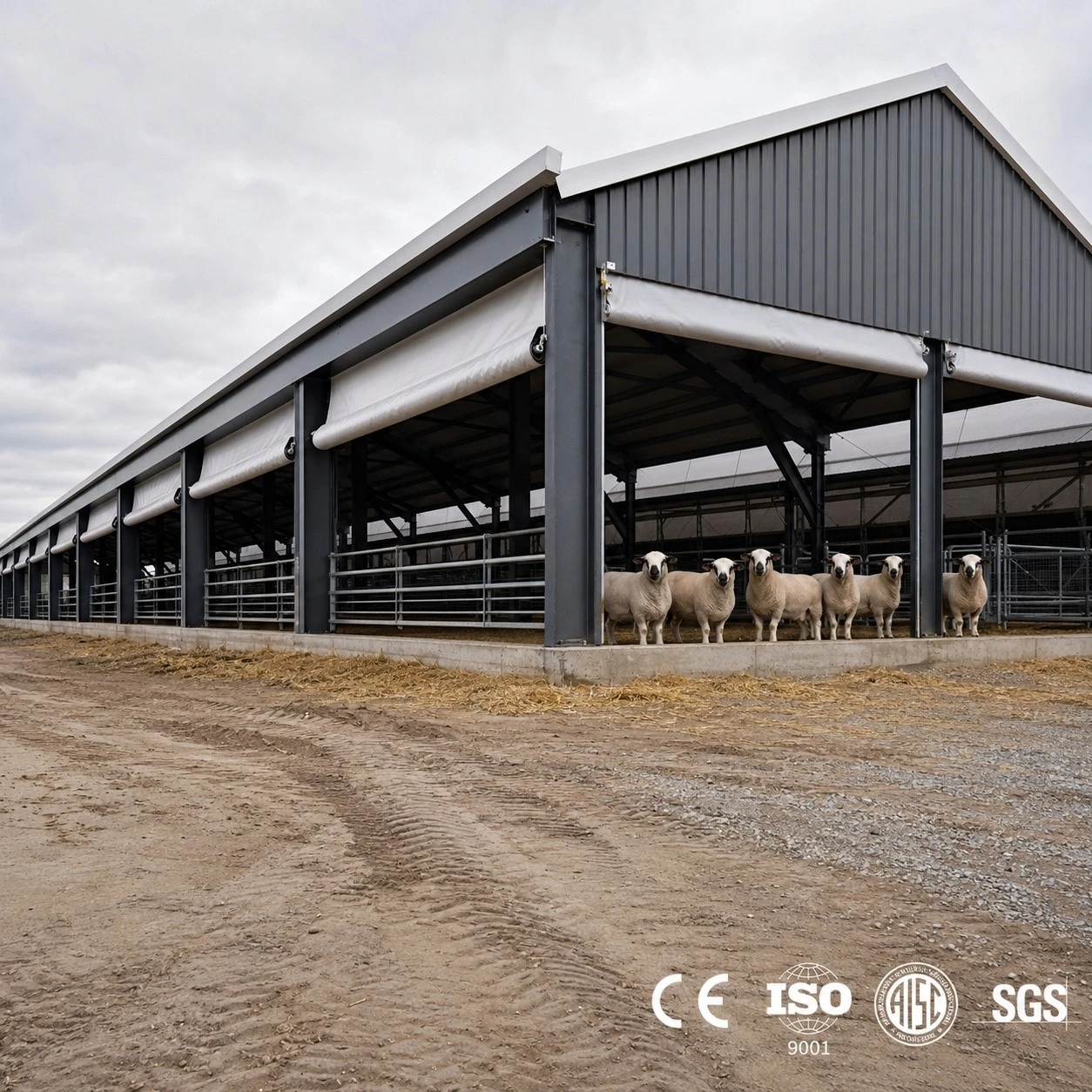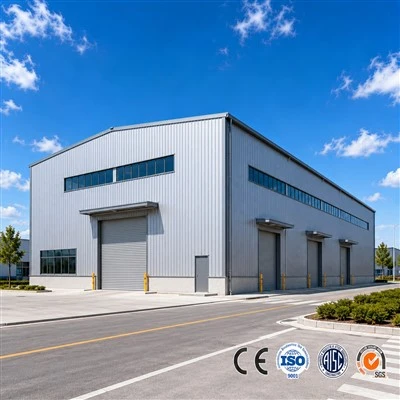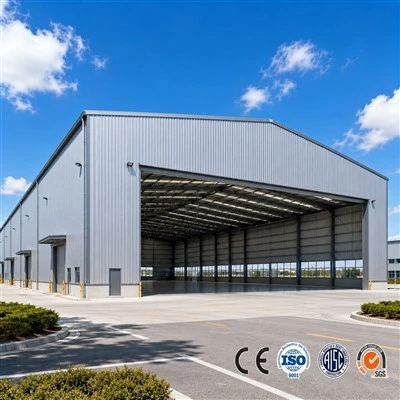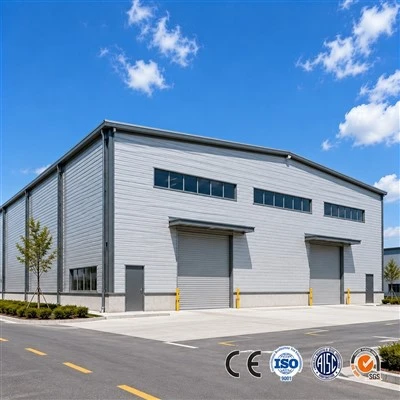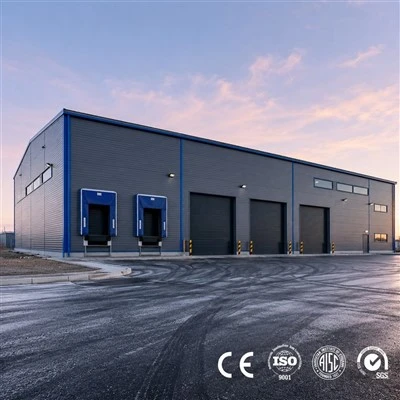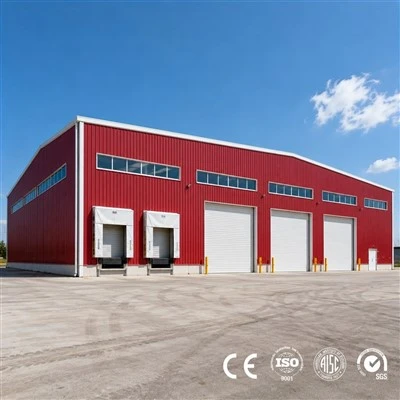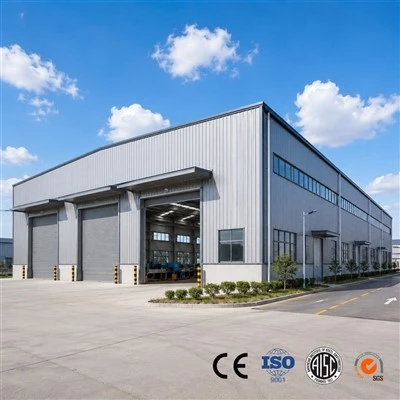

Firstly, the advantages stem from the inherent physical and mechanical properties of the material itself. Steel has a high strength-to-weight ratio, meaning that steel structural members can have smaller cross-sections to withstand the same loads (such as deep snow accumulation or strong winds), resulting in larger internal column-free spaces. This large-span capability directly meets the requirements of modern livestock farming for flexible feeding spaces, facilitating adjustments to internal pen layouts and the operation of mechanized equipment (such as feed carts and manure removal machines).
Compared to traditional reinforced concrete or brick-concrete structures, steel offers a much higher degree of factory prefabrication. In Heilongjiang Province, the effective construction period is significantly constrained by the climate, with long and harsh winters. Steel structural components can be pre-cut, drilled, and welded in the factory, then transported to the site for standardized assembly. This significantly reduces on-site wet work and time, lowers the risk of delays due to weather, and achieves a significant improvement in construction efficiency.