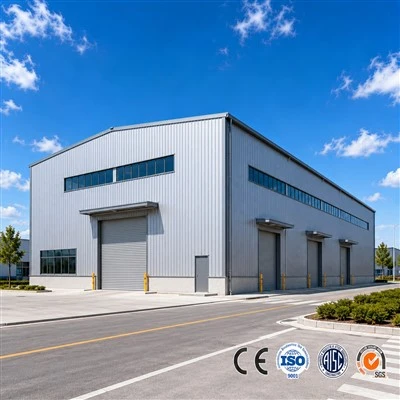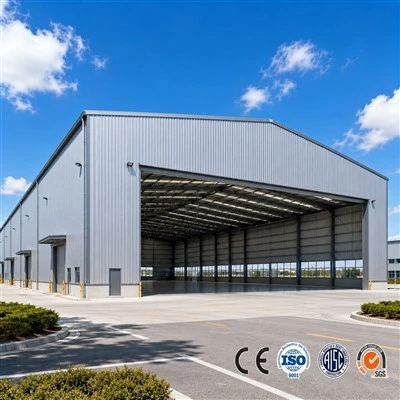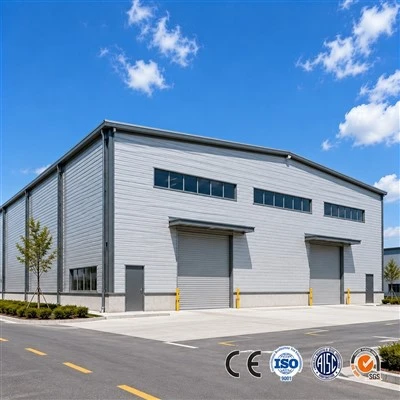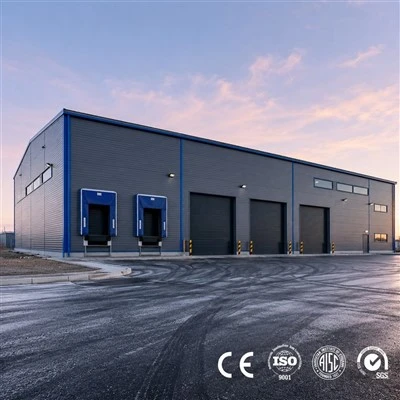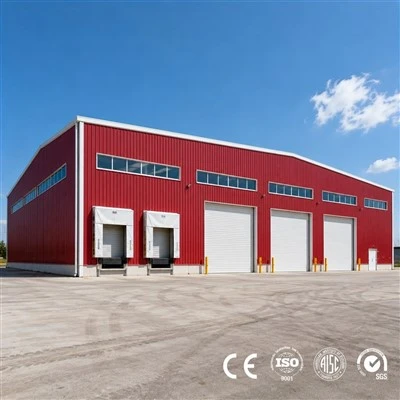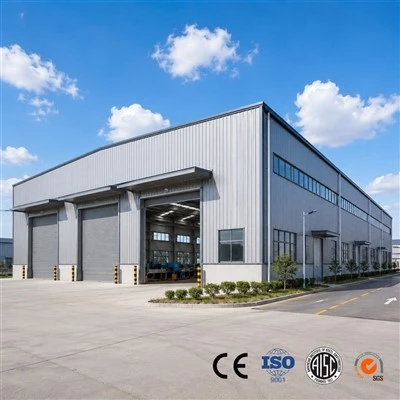

① Site Selection and General Layout Exhibition halls experience high visitor traffic. Therefore, the site selection and general layout should prioritize locations within or near cities with convenient transportation. Large exhibition halls should have sufficient public squares and parking areas, as well as outdoor display spaces. Outdoor spaces should be designed for landscaping and aesthetics. Functional zones should be easily connected yet not interfere with each other. The building should generally not be too tall. Attention should be paid to the interrelationships between exhibition halls, forming an organic architectural complex based on their different natures and specific circumstances.
② Exhibition Hall Design The exhibition halls are the central element of the architectural design. Key design points include: the layout of the exhibition halls should be determined by the content of the exhibits. A continuous, parallel multi-line, or segmented continuous layout can be adopted, but all should maintain a systematic approach. Visitor routes should be clear and avoid detours and intersections. Visitor routes should not be too long, and appropriate rest areas should be provided. The connection between the exhibition halls and transportation hubs (lobby, vestibule, rest area, stairs, elevators, etc.) should be convenient. Entrances and exits should be clearly visible, outdoor traffic routes should be smooth, and transportation routes should not interfere with visitor routes. If the exhibition hall is located upstairs, it should have elevators for the elderly, children, pregnant women, and disabled persons, as well as dedicated elevators for transporting exhibits. The exhibition hall should have good orientation, but direct sunlight on the exhibits should be avoided. Noise interference from inside and outside the hall should be minimized. Good ventilation conditions should be created and ventilation equipment should be installed. The exhibition wall space should be fully utilized, with light openings occupying little or no space to maximize the effective exhibition area.
③ Lighting and Illumination The importance of lighting and illumination to exhibition hall architecture lies not only in its function of housing and preserving exhibits, but more importantly, in providing a space for visitors to view and study them. Therefore, ensuring that visitors can see the exhibits correctly and clearly is a crucial issue. The key to solving this problem lies in its lighting.
Good lighting conditions are essential, and the form of the light openings should be selected based on the exhibits. Modern large exhibition halls primarily use artificial lighting. The display method should be considered in conjunction with the lighting method; the lighting for artworks should have a color composition close to natural light. Special security measures should be in place for valuable exhibits. Comprehensive fire safety measures should be considered.