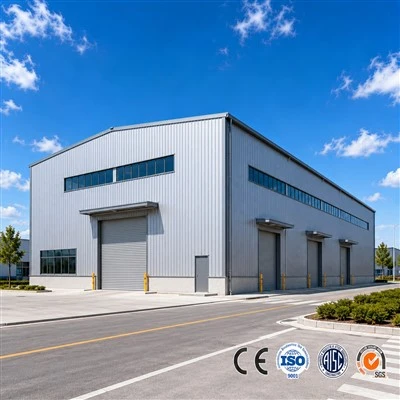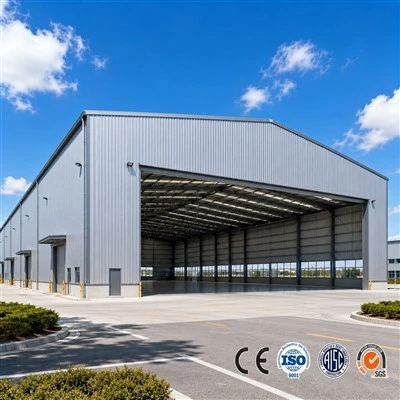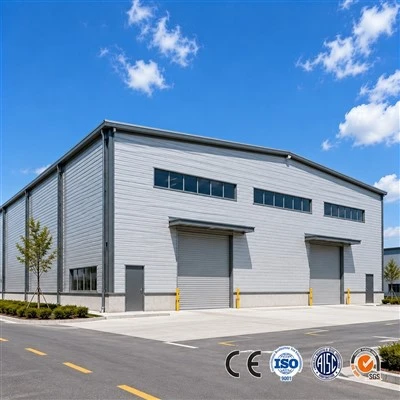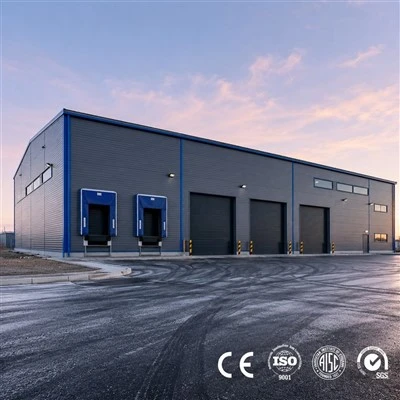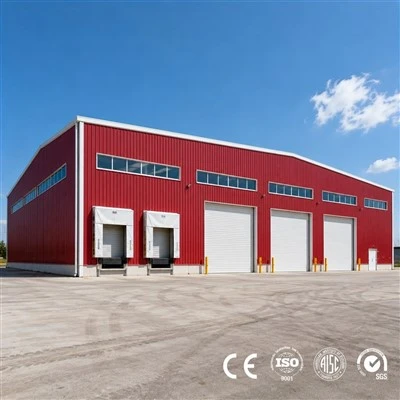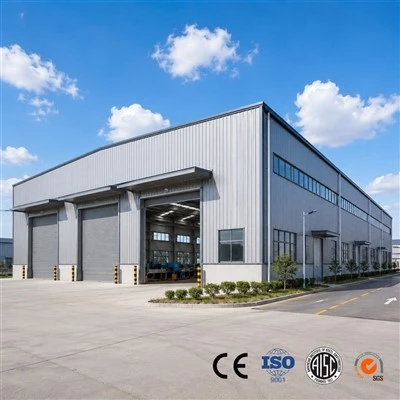

Agriculture is changing faster than it has in generations. Growing global food demand, a shifting climate, and expanding farm operations are all pushing the industry toward infrastructure that can actually keep up. Buildings that worked fine thirty years ago don't always meet what modern farming requires, in scale, in durability, or in the economics of long-term use. Across continents, steel has emerged as the material farmers and agricultural businesses keep coming back to, whether they're putting up a greenhouse in the Midwest, a storage facility in Australia, or a processing plant in Europe. The reasons aren't complicated. Steel holds up where other materials wear down, and for an industry under pressure from every direction, that matters more than it ever has.

What Makes Steel Farm Buildings the Right Fit
When wooden beams rot, roofs collapse under heavy snow, and barn doors no longer fit modern equipment.Steel agricultural buildings have become the practical choice for working farms not because of marketing, but because they solve problems that wood simply can't.
Hold Up Through Harsh Weather
Steel Farm buildings don't get to sit in controlled environments. They take the full force of whatever the weather sends: blizzards, ice loads, sustained wind, freeze-thaw cycles that repeat for decades. Steel frames are engineered to distribute those loads across the entire structure rather than concentrating stress at individual points. A heavy snow event that would warp or buckle an older wooden roof puts far less strain on a properly anchored steel frame.
Temperature swings are another problem wood handles poorly. Repeated expansion and contraction over years leads to gaps, warped boards, and compromised joints. Steel manages thermal movement more predictably, which means the structure stays tight and secure long after the first decade of use.
Pests and Rot Have Nothing to Work With
Wooden barns can gradually deteriorate under termites, fungi, and long term moisture exposure. The damage is often not immediate. It builds up over time, such as internal hollowing caused by insects or rot developing after prolonged damp conditions.
Steel structures are different. Steel is not a food source for insects, and with protective surface coatings, it performs more reliably in humid environments.
One often overlooked issue with timber structures is hidden internal damage. The outside may still look fine, while the inside has already been weakened by pests. In livestock environments, this can create safety risks, such as loose components or weakened sections that may affect animal movement.
Steel framed agricultural buildings do not have this kind of "invisible deterioration." They remain more stable over time and are generally easier to rely on in long term use.
Clear Span Design Means Real, Usable Interior Space
Interior support columns are the enemy of efficient farm work. Try maneuvering a 40 foot combine or a fully loaded grain trailer through a barn with posts running down the center and you'll understand the problem quickly. The margins are tight, the turns are awkward, and during busy harvest periods, one mistake costs time and money.
Steel agricultural buildings use clear span framing that eliminates interior columns entirely. The full width of the building, however wide you build it-is open and unobstructed from wall to wall. Equipment moves freely, workers can set up processing or storage areas wherever they make sense, and the floor plan can be reconfigured as your operation grows. That kind of flexibility is hard to put a dollar figure on, but anyone who's worked in a cramped traditional barn understands the value.
The Layout Is Built Around How You Actually Farm
The idea that metal agricultural buildings are just plain rectangular boxes is outdated. Modern steel structures can be configured in ways that match both the look of your property and the specific demands of your operation. Exterior finish options, color combinations, and wainscoting panels give you control over how the building fits into the landscape. Large windows in office or processing areas bring in natural light and make those spaces more functional.
On the functional side, the customization runs deep. Oversized hydraulic doors for wide equipment, reinforced concrete flooring in high-traffic machinery zones, dedicated hay storage sections with proper ventilation, and wash-down areas for equipment maintenance,all of it can be incorporated from the start. The building gets designed around your workflow, not retrofitted to fit it later.
Steel Doesn't Burn: That Changes Everything in a Fire
Farms are high-risk environments for fire. Hay storage, fuel containers, electrical equipment, and machinery are often located in the same space. In hot, dry regions, a small ignition source can quickly escalate. Wood structures can accelerate this spread, making damage difficult to contain. Steel does not burn, which already provides a stronger baseline of safety. In many modern systems, additional fire-resistant coatings and cladding improve performance under high temperatures. While no structure is completely fireproof, steel buildings significantly slow down fire progression, giving more time to control incidents and protect both assets and livestock.
Maintenance Is Simple, Not a Second Job
Traditional barns often need constant maintenance. In damp or high-ammonia livestock environments, these problems happen even more often. Agricultural steel buildings reduce that workload. The structure itself does not rot, crack, or attract insects. Routine care is usually limited to simple inspections and occasional surface treatment.
Overall, this means less work, fewer repairs, and a building that simply lasts longer with less effort.
Agricultural Steel Buildings vs. Traditional Wood Construction
Many farms still run older wood structures and are weighing whether a change makes financial sense. Here's a side-by-side look at what actually separates the two:
|
Factor |
Agricultural Steel Building |
Traditional Wood Structure |
|
Design Lifespan |
40–50+ years |
15–25 years |
|
Maintenance |
Very low |
Ongoing - paint, seal, repair |
|
Fire Resistance |
Non-combustible |
High fire risk |
|
Pest & Rot |
Termite & rot resistant |
Susceptible to both |
|
Build Speed |
Prefab, fast on-site assembly |
Slower, more field labor |
|
Clear Span |
Up to 300 ft, column-free |
Limited without interior posts |
Wood has its place, and it's familiar. But for new construction on a working farm, the math usually lands on steel - especially once you factor in what maintenance looks like over 20 years.
Common Uses for Agricultural Steel Frame Buildings on the Farm
Steel farm structures show up across every type of operation. Here's where most farmers put them to work:
Livestock Housing
Poultry houses, hog barns, horse stables, and cattle shelters benefit from wide spans and flexible ventilation. Steel handles the daily physical demands of housing animals year-round without the structural degradation wood is prone to.
Equipment Storage
Tractors, combines, and attachments represent major capital. A steel equipment shed protects that investment from weather, UV damage, and moisture between seasons. It is sized around your exact equipment, not a catalog default.
Grain & Crop Storage
Grain requires a dry, secure environment. Metal farm buildings provide tight construction that keeps moisture out and pests from establishing themselves, especially effective when paired with the right ventilation setup.
Farm Shops & Multi-Use
Processing areas, welding shops, cold storage additions: steel accommodates all of it. A well-designed layout can handle multiple functions without asking you to compromise on structure or size.
How to Choose Steel Buildings for Agricultural Use
Picking the right steel building for a farm isn't just a matter of size or price. In practice, it comes down to how the building will actually be used day to day, what kind of environment it will sit in, and how the farm might grow over time. A good choice usually feels less like a purchase and more like setting up a long term working space.
Start with how the building will be used
Before anything else, the purpose needs to be clear. This sounds basic, but it's where a lot of mistakes happen.
Each of these has different needs. Equipment storage usually needs wide doors and clear access. Livestock buildings need ventilation and interior zoning. Workshops often need lighting and durable flooring.
If the purpose is unclear, the design ends up being a compromise, and that usually creates problems later.
Think in terms of size and future space, not just today's needs
Size is easy to underestimate. Many farmers plan for what they need right now, not what the farm might look like in a few years. A better approach is to think ahead a bit.
A simple rule that works in most cases is to leave some room for growth, roughly 20% to 30% more space than current needs.
It may feel unnecessary at the start, but expansion later is always more expensive than planning ahead once.
Don't ignore the local climate
Where the steel agricultural building sits matters more than people expect.
In high-wind regions, strong structural stability and resistance to lateral forces help prevent structural damage caused by powerful winds, ensuring the building remains safe and secure under extreme conditions. In humid or wet areas, effective drainage design and strong corrosion resistance are essential to ensure lasting durability and reduce maintenance risks.
A steel structure is strong by nature, but it still needs to be designed for local conditions. Otherwise, performance drops over time, even if the structure itself looks fine at first.
Attention to Everyday Details
The main frame is only part of the building. A lot of how it performs comes from smaller design choices that people tend to overlook.
Things like:
- Door type and size (especially for large machinery access)
- Ventilation setup (natural airflow vs. mechanical systems)
- Wall and roof panel materials
- Natural lighting through skylights or side windows
- Drainage layout around the structure
These details don't always stand out in agricultural building plans, but they shape how the building feels to use every day. A good buidling structure is usually the one where these small things don't get in the way.
Work with agricultural building supplier that understand farm needs
Not all steel building suppliers design for farms. Some focus on general industrial buildings, which can lead to designs that don't fit real agricultural needs. It's worth checking whether the supplier:
- Has experience with agricultural projects
- Can provide custom design based on use case
- Offers structural calculations, not just drawings
- Understands local climate or export requirements
- Provides continuous support after installation
A good supplier doesn't just deliver materials. They help shape the building so it actually works in real farm conditions, not just on paper.
Choosing Steel Structure That Grows With Your Farm
A good steel farm building isn't just infrastructure, it's an asset. It protects your equipment, adds value to your property, and makes daily operations smoother for decades to come.
At CNSS, we work directly with farmers. No generic layouts, no layers of middlemen. Tell us what you're working with, your acreage, your equipment, your plans , and we'll put together a steel farm building that actually fits your operation.