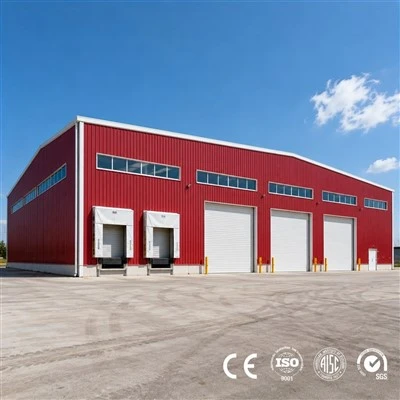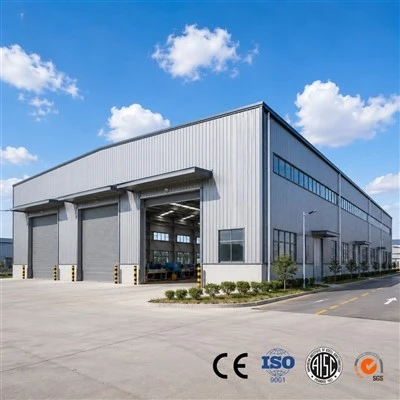


If you own a metal building, you have likely seen it sweat. Water drips from the roof panels. Damp spots spread across the ceiling. Rust starts to show up on bolts and fasteners. This is condensation, and it is one of the most common problems in steel construction.
Condensation forms when warm, moist air touches a cold metal surface. The air cools fast, and it can no longer hold the moisture. Water forms on the metal instead. This guide covers why it happens, what it can cost you, and how to stop it in a building like yours.
What Causes Condensation in Metal Buildings
Three things combine to cause condensation: warm air, moisture, and a cold surface. Steel is a strong conductor of heat, so it cools and heats fast. A wood-framed wall resists heat transfer far better than bare steel. That difference is why metal buildings sweat when wood buildings often do not.
Moisture inside a building comes from more places than most owners expect. A few common sources:
- Livestock and animals
- Wet concrete during and after a pour
- Vehicles and equipment running indoors
- Welding and other hot work
- Ground moisture that rises through the slab
The season changes how condensation shows up. In winter, heated air inside meets a cold roof and walls, and moisture forms on the inside surface. In summer, humid outdoor air meets a cooled interior, and the same thing happens in reverse. A building can sweat all year for different reasons.
Signs You Have a Condensation Problem
Some signs are easy to miss until the damage adds up. Watch for:
- Water dripping from roof purlins or panels
- A musty smell inside the building
- Mold or mildew on walls, ceilings, or stored items
- Rust on fasteners, trim, or structural connections
- Insulation that feels damp or looks discolored
If you notice any of these, the building likely has a moisture problem worth addressing now, before it spreads.
Why Condensation Is a Real Problem, Not Just a Nuisance
Condensation looks minor at first. Left alone, it causes lasting damage.
Moisture corrodes fasteners and connection points, which weakens the structure over time. It soaks into insulation and lowers its ability to keep the building warm or cool, so the problem tends to grow. Standing moisture also creates the conditions mold needs to grow, which affects air quality and can damage anything stored inside.
Here is the part many owners miss: most metal building warranties do not cover condensation damage. Manufacturers treat it as a result of the building's environment and use, not a defect in materials or construction. Preventing condensation is the owner's job, not something a warranty will fix after the fact.
Find the Source Before You Fix It
The right fix depends on where the moisture comes from. Two buildings can show the same dripping ceiling for different reasons, and each one needs a different solution.
A few questions point you toward the source:
- Does it track with an activity?
If condensation shows up after welding, running vehicles indoors, or housing livestock, the moisture comes from inside the building. - Did it start after a concrete pour?
Fresh concrete releases a large amount of water vapor as it cures, and the effect can last for months. - Does it change with the outdoor weather?
If condensation gets worse on hot, humid days, outdoor air is the main driver, not anything happening inside. - Does it show up on the floor, not just the walls and roof?
That points to ground moisture rising through the slab, rather than air-based condensation.
Once you know the source, the fix becomes clear. Moisture from indoor activity calls for ventilation or humidity control. Moisture tied to outdoor humidity calls for insulation and a vapor barrier. Moisture rising through the floor calls for a moisture barrier under the slab.
How to Prevent Condensation in a Steel Building
There is no single fix that works for every building. The right approach depends on how you use the space and whether it has heating or cooling. Here are the main tools and where each one fits.
Add Insulation
Insulation is the first line of defense. It slows the transfer of heat through the walls and roof, so the interior surface stays closer to room temperature, and moisture has less reason to form.
Gaps matter. A thin layer between the studs, with open seams, still lets condensation build up behind it. Continuous insulation that covers the full surface works far better. Fiberglass insulation paired with a moisture barrier is a common and affordable choice. Rock wool is another good option, though it costs a bit more. For more information, please refer to our insulation guide.
Any building with heating, cooling, or regular occupants needs insulation. Skipping it is the single biggest cause of condensation problems in commercial and residential steel buildings.
Use Vapor Barriers
A vapor barrier is a layer, often a facing on the insulation, that blocks water vapor from passing through the wall or roof assembly. Without one, humid air can pass into the wall cavity, hit a cold spot, and condense where you cannot see it or dry it out easily.
Vapor barriers matter most in humid climates and in buildings that generate a lot of moisture inside, such as spaces with livestock or heavy equipment use.
Improve Ventilation
Ventilation removes moist air before it has a chance to condense. Ridge vents, eave vents, and powered exhaust fans all move air out of the building and pull drier air in.
This works well in buildings that are not fully insulated, such as barns, warehouses, and shops. If insulating the whole structure is not practical, good airflow is often the most effective and least expensive fix available.
Control Humidity
A dehumidifier targets moisture directly. It works well in specific problem areas or during the weeks when the seasons change, and humidity swings the most.
Aim to keep indoor humidity between 30 and 50 percent. Above that range, condensation becomes far more likely, even with good insulation.
Add a Moisture Barrier Under the Slab
A moisture barrier is different from a vapor barrier, even though the names sound alike. It is a sheet placed under the concrete slab before the pour. Its job is to stop ground moisture from moving up through the floor and into the building.
Owners often overlook this source entirely, since it has nothing to do with the walls or roof. A moisture barrier is a decision you make before the slab goes in. Adding one afterward means breaking up and repouring the floor, which is expensive and disruptive. If you are planning a new building, this is worth deciding early.
Matching the Fix to Your Building
Rough guide:
- Fully conditioned building: treat it like a house. Use full insulation with a vapor barrier, plus a moisture barrier under the slab.
- Semi-conditioned building: combine ventilation with partial insulation in the areas that need it most.
- Unconditioned building: focus on ventilation and humidity control first. Insulation helps but is not always required.
If you are not sure which category your building falls into, start with the source of the moisture. Fixing that source usually points you to the right combination of tools.
When to Call a Professional
Some situations call for expert help rather than trial and error:
- Condensation continues after you have tried ventilation or a dehumidifier
- You see active rust or signs of structural wear
- You are planning a new build and want to design the moisture barrier and insulation in from the start
A professional can check airflow, humidity, and insulation performance together, and point you to a fix that matches your building rather than a general one.
FAQ
Does my metal building warranty cover condensation damage?
Usually not. Most warranties cover manufacturing defects, not damage caused by environmental conditions or how the building is used. Prevention is on the owner.
What is the difference between a vapor barrier and a moisture barrier?
A vapor barrier goes in the wall or roof assembly and stops water vapor from passing through. A moisture barrier goes under the concrete slab and stops ground moisture from rising into the building.
What humidity level prevents condensation in a steel building?
Keep indoor humidity between 30 and 50 percent. Above that range, condensation becomes far more likely.
Can I add insulation to an existing metal building?
Yes. Retrofitting insulation is common and often solves the problem on its own, especially when paired with better ventilation.
Is condensation worse in winter or summer?
It happens in both, for different reasons. Winter condensation forms when heated air inside meets a cold exterior. Summer condensation forms when humid outdoor air meets a cooled interior.
Building Smarter From the Start
Condensation in a metal building comes down to warm air meeting a cold surface. Once you know where the moisture comes from and how your building is used, the fix is usually a combination of insulation, ventilation, a vapor barrier, and a moisture barrier under the slab.
If you are dealing with condensation now, or want to build it out before it starts, reach out for a quote or a consultation. Keeping steel buildings dry has become easier!