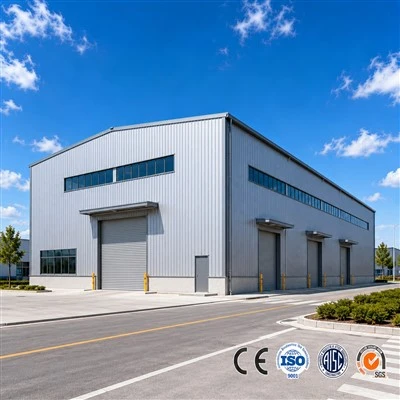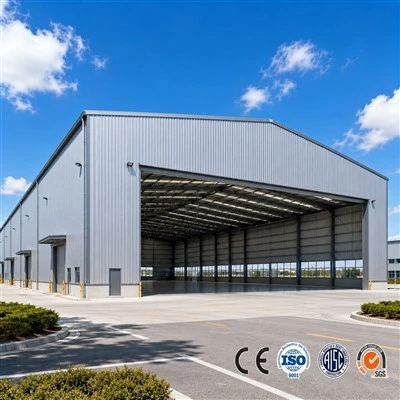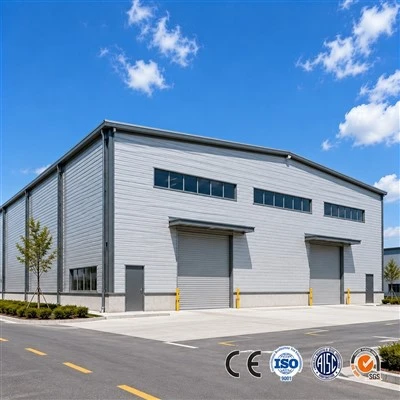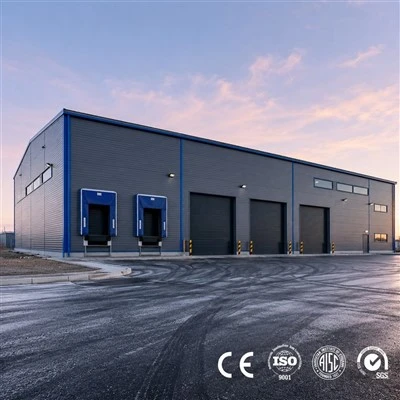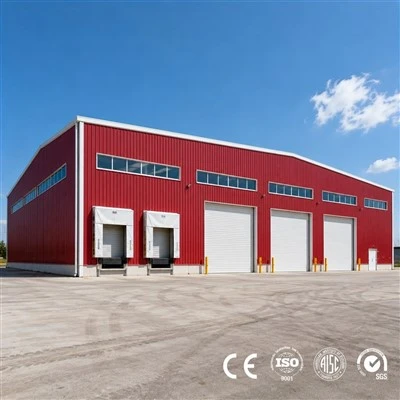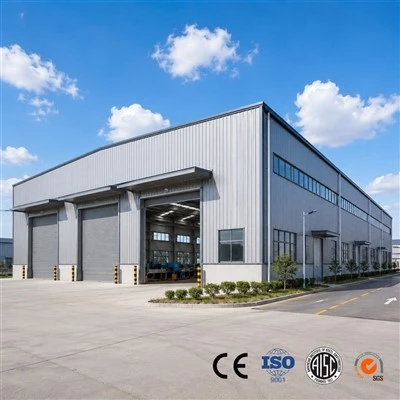

If you plan a new warehouse, you may look at three build types: light steel, heavy steel, and traditional builds like concrete or brick. These are not the same, and the wrong pick can cost you months of build time, plus money you did not need to spend.
This guide covers what a light steel structure warehouse is, how it compares to heavy steel and to concrete or brick, and what it costs and takes to build. It ends with a checklist to use before you sign with a supplier.
What Is a Light Steel Structure Warehouse?

A light steel warehouse uses a frame of thin steel. Workers bend the steel into shapes at room temperature. This is called cold-formed steel. It is not the thick, heavy steel used in a bridge.
The frame holds up the roof and the walls. It carries loads from wind, snow, and gear inside. Light panels form the walls and the roof.
The word "light" means the steel is thin, not that the building is weak. A good light steel frame holds up a warehouse roof and handles wind and normal loads with ease. It uses less material to do the job, which is why it costs less and goes up fast.
The main parts of the frame:
- Columns and rafters - the main frame. Most warehouses use a portal frame. Two columns hold up a beam that spans between them.
- Purlins and girts - small beams that hold the roof and wall panels.
- Bracing - cross supports that keep the frame stiff in wind or an earthquake.
- Cladding - the roof and wall panels. These are often steel sheets or insulated panels.
Factories cut and weld these parts first, then ship them to the site. Crews bolt the pieces together instead of welding them in place. This is one reason steel warehouses go up fast.
Light Steel vs Heavy Steel: Which One Fits Your Project?
Few guides answer this question. But it shapes your budget and your timeline more than any other choice.
| Factor | Light Steel | Heavy Steel |
| Steel type | Thin, cold-formed | Thick, hot-rolled beams |
| Typical span | Up to 30–40 meters | 40+ meters, or heavy loads at any span |
| Load capacity | Good for storage and light gear | Built for cranes and heavy machines |
| Build speed | Fast - light parts, simple joints | Slower - heavy parts, complex joints |
| Cost | Lower per square foot | Higher per square foot |
| Best fit | Storage, distribution, light plants, farm buildings | Heavy plants, crane systems, tall buildings |
Light steel fits a warehouse that stores pallets, runs a distribution site, or houses light plant gear. It may not fit a project that needs a crane rated at several tons, stacked floors, or a build in a high-risk earthquake zone. Ask your engineer about heavy steel in those cases.
One tip: do not guess. Give your steel building manufacturer the span, height, and load your project needs. Ask them which system fits. Do not start with "light steel" and hope it works.
Light Steel vs. Traditional Construction
Compared to concrete, brick, or wood, light steel wins on speed. In most cases, it wins on cost too.
- Build time - a steel frame can go up in weeks, once the base is set. Concrete takes longer. It needs time to pour and cure.
- Foundation - steel buildings weigh less. The base can be smaller and cheaper.
- Upkeep - steel resists termites and rot. It does not crack the way concrete can. It still needs coating checks to stop rust.
- Layout - steel frames allow wide open floors with few posts. This helps if you run forklifts, belts, or racks.
Concrete and brick still work well on large or tall sites. Tilt-up concrete can match steel on cost at a large scale. But for a single-story warehouse, steel gets you in the door faster, and for less money.
What Does a Light Steel Structure Warehouse Cost?
Cost swings by region, size, and finish level. A bare shell and a full, insulated warehouse cost different amounts, even at the same size. Here is the basic shape of it:
- A basic pre-built shell - frame, roof, siding - costs the least.
- Add a base, insulation, interior work, wiring, and plumbing, and the price climbs. It can reach two or three times the shell price.
- Tilt-up concrete warehouses tend to cost more than steel at the same size. This comes mostly from base and labor costs.
Steel prices shift with the metal market and with your region, so treat any figure in a blog post as a starting point, not a quote.
How Long Does It Take to Build One?
The construction process usually includes these main steps:
- Design - plans, permits, and sign-off.
- Fabrication - crews cut, drill, and weld the steel parts at the factory.
- Foundation work - crews pour this on-site, often while the factory work runs.
- Erection - columns go up first, then beams, roof, and bracing.
- Finish work - wall and roof panels go on, then wiring, plumbing, and interior work.
A small or mid-size warehouse can go from frame to finish in weeks, once the base cures. The full project, start to finish, can wrap up in a few months. A large concrete building can take a year or more.
A metal shell can finish 30–50% faster than other frame types, and the Metal Building Manufacturers Association puts the site-waste cut at about half. Keep these figures in mind when you check bids against concrete or wood.
Where Light Steel Warehouses Get Used
- Distribution and logistics sites, where open floor space and fast builds matter most.
- E-commerce hubs, where a business may need to grow fast.
- Light manufacturing, where the gear load fits within light steel's limits.
- Farm storage, including grain buildings and gear barns.
- Cold storage, when paired with the right insulation.
A Checklist Before You Sign
- Engineer sign-off - a licensed engineer should check the design. It must meet local codes.
- Steel grade and coating - ask what grade of steel the builder uses. Ask what coating stops rust.
- Checks on the work - ask how the builder checks the size and welds before it ships.
- Warranty - ask what the warranty covers: the frame, the coating, and the labor. Ask for how long.
- References - ask for two or three past jobs near your size. Call them.
A supplier who answers these questions in plain terms is worth your time.
Frequently Asked Questions
What's the difference between light steel and heavy steel buildings?
Light steel uses thin, cold-formed parts. It suits storage and distribution buildings. Heavy steel uses thick, hot-rolled beams. It suits long spans, heavy loads, and things like cranes.
Is a light steel warehouse cheaper than a concrete one?
In most cases, yes. The base costs less. The frame arrives ready to bolt together.
How long does a light steel warehouse last?
With the right coating and regular checks, a building can last decades. Fifty years or more is common for a building that gets good care.
Can a light steel warehouse hold heavy gear?
It depends on the load. Racks, forklifts, and light plant gear work fine. For heavy cranes or dense loads, ask an engineer to check first.
How long does construction take?
For a mid-size warehouse, the frame can go up in a few weeks, once the base is ready. The full project can finish within a few months.
If you weigh light steel against heavier options, give a supplier your footprint, height, span, and planned use. Ask them to spec the building. That beats a guess.